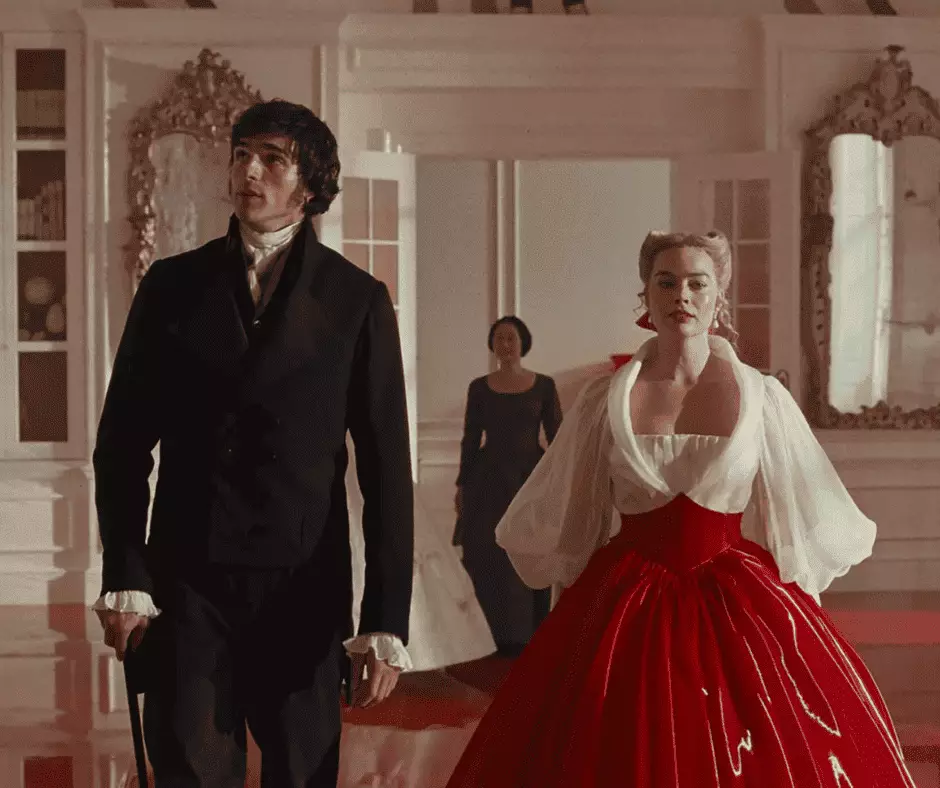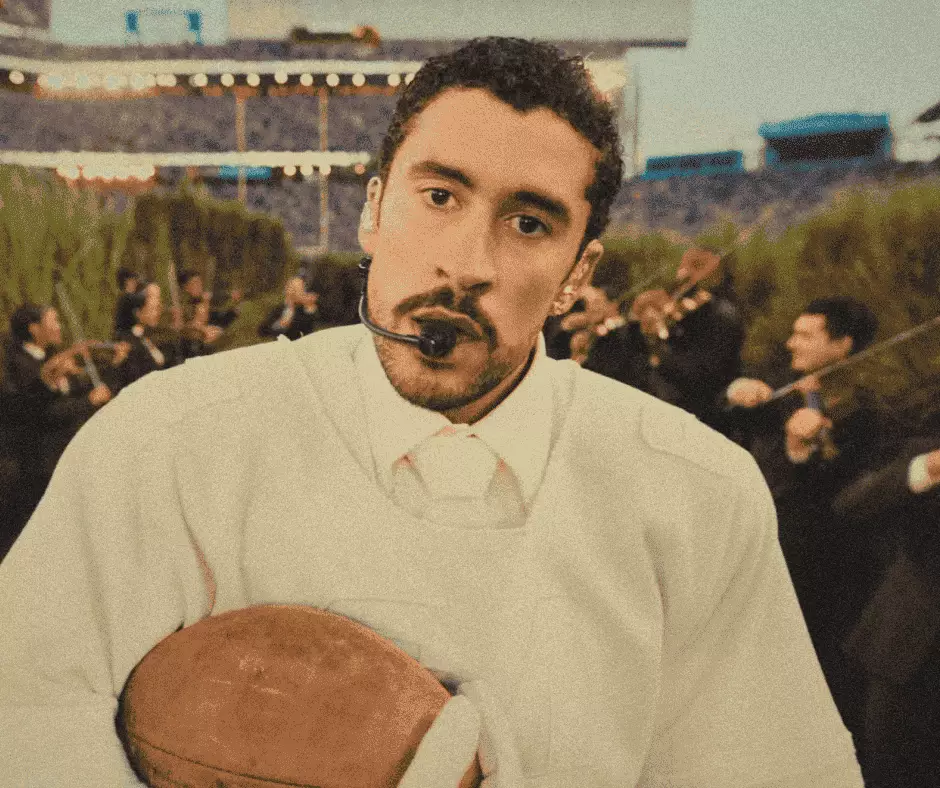
The 2026 Super Bowl Halftime Show, headlined by Bad Bunny, became a massive global entertainment moment. The performance drove a surge in searches for information about the artist, including "who is bad bunny," "where is bad bunny from," and even questions about his nationality and personal life, such as "is bad bunny gay" and "bad bunny net worth." From Manila to Melbourne, the event prompted regional queries like "what time is the Super Bowl halftime show in Australia" and "where to watch Super Bowl 2026 in Australia."
A Celebration of Latin Sound and Culture
The Super Bowl 2026 halftime show was a vibrant fusion of Latin pop, reggaeton, and global collaboration. Bad Bunny shared the stage with superstars like Ricky Martin, Lady Gaga, and Karol G, alongside surprise guests such as J Balvin and Zara Larsson, transforming the performance into a major celebration of Puerto Rican and wider Latin American music. While established fans enjoyed familiar Bad Bunny hits, the spectacle introduced newcomers to the reason for his global dominance.Bad Bunny: From San Juan to Global Icon
Before the game, the internet buzzed with anticipation over "who is performing at the Super Bowl 2026" and "when is Super Bowl 2026." The headliner, Benito Antonio Martínez Ocasio (known as Bad Bunny), is a figure who rose from working at a supermarket in San Juan, Puerto Rico, to becoming a phenomenon. His refusal to separate his music from his life and identity resonates deeply with a generation of fans.Moments That Shaped the Halftime Show
The Super Bowl Halftime Show began with a powerful opening: children ran onto the stage as an elder's voice recited a blessing. The energy surged when Super Bowl veteran Lady Gaga joined Bad Bunny for a duet that drew a massive roar from the crowd. Later, Ricky Martin brought his classic Latin pop, his Super Bowl-calibre energy reminding the audience of Latin culture's long-standing influence on global music.The show's climax, which kept viewers glued to their screens until the very end, referenced a real-world struggle. A towering set piece, designed to look like a power pole, spoke volumes about the resilience and everyday courage of Puerto Rico in the face of electricity challenges, all without a single speech.
The Global Conversation
The Bad Bunny Super Bowl halftime show in 2026 sparked diverse reactions, highlighting how differently people perceive major cultural moments. While some celebrated the vibrancy and joy of the performance, others were confused by the Spanish lyrics and immediately sought translations, searching for "what time is Bad Bunny performing at the Super Bowl" to rewatch the set.Global interest was evident, particularly in Australia, where fans asked about "Super Bowl time Australia 2026" and "what time is the halftime show 2026 in Australia" to catch the live event before their workday or school started. Following the show, streaming services and Apple Music quickly offered the halftime show replay, leading to a surge in searches across the Asia Pacific for "where to watch the Super Bowl."
The presence of figures like Pedro Pascal in the audience underscored the interconnectedness of film and music cultures. Many felt the 2026 show was warmer and more community-focused compared to the 2025 Super Bowl performance.
Music Without Borders
Bad Bunny's decision to primarily perform in Spanish made the event feel like home for bilingual families, amplified across the stadium. For many children, the 2026 NFL halftime show became a lesson that American culture, as often depicted in textbooks, could encompass different sounds and languages.The performance fueled speculation about a potential Bad Bunny tour, with "bad bunny Australia" becoming a popular search term. Fans engaged in lively discussions about ideal collaborations, suggesting a Lady Gaga and Bad Bunny duet or a set featuring classics with Daddy Yankee. The surprise addition of Zara Larsson, who delivered a verse that blended Scandinavian pop with the Caribbean rhythms, also led to a spike in searches for her name.
Why the Show Mattered
The significance of the 2026 Super Bowl halftime show lay in its elevation of everyday life to a global platform. It fostered the idea that celebrating one's heritage can coexist with an openness to other cultures. The performance prompted viewers to engage with simple inquiries, like "Where is Bad Bunny from?", and to approach the answers with a more receptive and empathetic attitude.The search for "what time is super bowl halftime" and "where to watch the Super Bowl" drew an audience seeking entertainment, but they ultimately stayed for a sense of community and belonging. The popularity of the search term "Super Bowl halftime show time Australia" suggests that families were organising events akin to small festivals right in their homes.
Lessons for Creators and Businesses
The response to bad bunny superbowl performance offers a lesson for anyone building creative projects. Audiences recognise sincerity faster than strategy. When art respects its origins, it travels further. The collaboration between Karol G, J Balvin, and international guests proved that teamwork across borders expands possibilities.Brands noticed how viewers asked superbowl watch and watch superbowl minutes after the show ended. Engagement followed emotion. The music industry saw spikes in streams for die with a smile and classic Bad Bunny songs. The halftime stage acted as a bridge between sport, culture, and commerce.
Looking Ahead
As questions continue about when next year and who's performing at the Super Bowl, the 2026 edition sets a reference point. The NFL halftime show can welcome many languages without losing unity. Future artists will study how the Bad Bunny Super Bowl 2026 moment balanced spectacle with heart.The impact of the Super Bowl halftime show remains evident; fans continue to seek information on the 2026 performance time and re-watch clips to catch missed details. This cultural moment lives on, being replayed across social media, Apple Music, and in discussions globally, from Sydney to San Juan.
Building Fair Systems Behind Global Creative Moments
At Creative Splits, we help artists and entertainment businesses organise the complex world that surrounds moments like the Super Bowl halftime show. Payments, collaborations, and revenue paths should feel clear and fair so creators can focus on music and stories. Our platform supports teams working across borders, languages, and time zones, whether you are planning the next halftime show or managing everyday releases.Creative Splits believes every creator deserves systems that respect their culture and their craft. Let us handle the structure while you build the next performance that the world will search for. Contact us now to learn more!