Rather than focusing solely on spectacle, the ceremony revealed shifting priorities across the creative industries. Credibility, process, and authenticity took centre stage. Even the missteps carried meaning.
A Night That Captured the Mood of the Industry
From the outset, the atmosphere felt different. Conversation began before trophies were presented, driven by the widely shared images of the dinner service that guests compared to infamous event planning failures. The moment was light-hearted on the surface, yet it reflected something deeper.Audiences today notice details. They question execution. They expect coherence between scale, reputation, and delivery. Awards shows no longer exist in a protected bubble. They unfold in real time across social platforms where scrutiny is immediate and unforgiving.
This environment demands precision.
Critics Choice Steps Forward as a Cultural Barometer
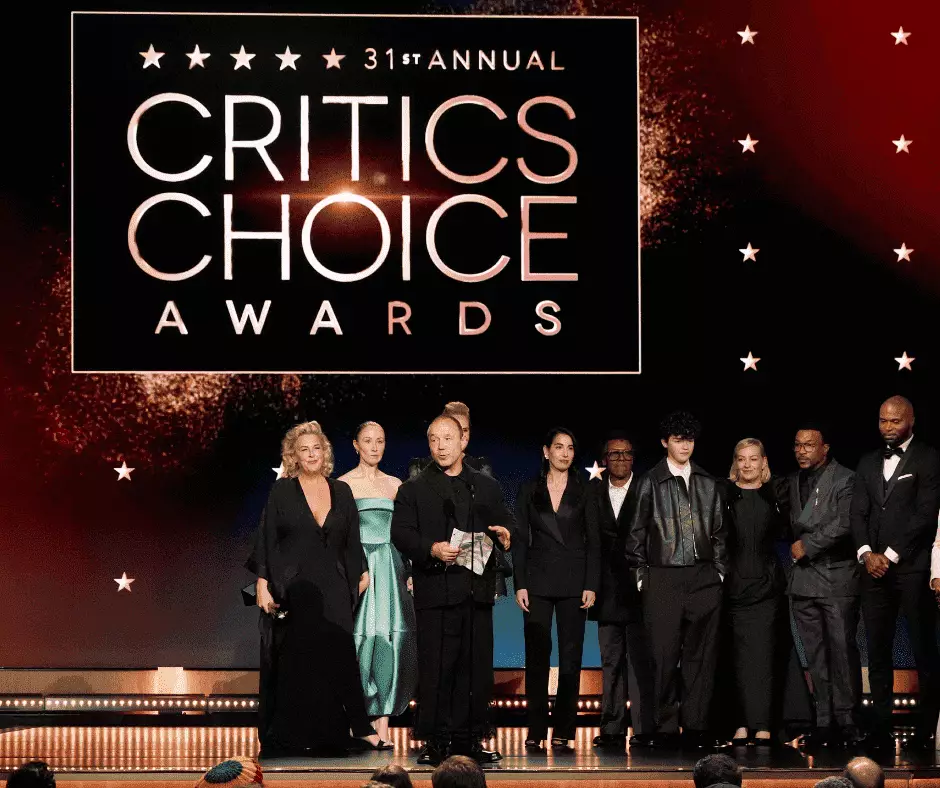
In recent years, the Critics Choice Awards have gained authority through consistency and discernment. The 2026 ceremony reinforced that position.While other awards shows continue to navigate reputation challenges and shifting relevance, Critics Choice has leaned into its strengths. Voters with close ties to craft. Results that reflect sustained performance. A tone that favours substance over spectacle.
The outcome is an awards show that increasingly feels aligned with industry sentiment rather than marketing cycles.
Major Wins That Reflected Craft and Continuity
The winners' list reinforced this impression.Timothée Chalamet’s Best Actor win stood out for its clarity. His performance was widely regarded as disciplined and transformative, and his acceptance speech mirrored those qualities. Calm, reflective, and collaborative in tone, it resonated with audiences who value longevity over momentary attention.
Jacob Elordi’s supporting win and Sarah Snook’s recognition also carried this sense of continuity. Their speeches acknowledged growth, uncertainty, and shared effort rather than arrival at a final destination.
This emphasis on process reflects a broader industry recalibration.
Fashion Moves from Shock to Signal
Red carpet coverage remains a central part of awards culture, yet the tone is shifting.Kate Hudson’s striking red dress dominated headlines, while other fashion moments reflected confidence grounded in identity rather than provocation. The prevailing theme was intention.
As audiences grow more visually literate, fashion is read as communication. It signals stability, self-awareness, and alignment with personal narrative.
This shift mirrors a wider cultural preference for authenticity over excess.
Speeches That Acknowledge Reality
One of the most notable aspects of the night was how openly the winners spoke.Several acceptance speeches carried moments of reflection, humour, and even visible uncertainty. These moments landed because they felt unscripted and human.
Awards audiences increasingly value honesty. Perfect polish no longer guarantees a connection. In 2026, relatability carries cultural weight.
Snubs, Debate, and Audience Engagement
As expected, the ceremony sparked debate around omissions and surprises.What stood out was how actively audiences engaged with these discussions. Fans compared performances, questioned voting logic, and shared long-form opinions. This level of engagement suggests a shift from passive viewership to participatory culture.
Awards shows now function as conversation starters rather than final verdicts.
What the 2026 Awards Season Signals Going Forward
The Critics Choice Awards offered a preview of broader trends shaping awards culture.Recognition is moving closer to craft. Public trust increasingly depends on transparency. Social media has collapsed the distance between industry decisions and audience response.
Events are judged holistically. Logistics, tone, inclusivity, and execution matter as much as winners.
Awards shows that fail to adapt risk losing relevance.
Why These Shifts Matter Beyond Awards Nights
The creative industries operate within complex ecosystems. Awards culture reflects how those ecosystems value work, collaboration, and contribution.As recognition becomes more process-driven, expectations around clarity and accountability grow. Creatives want to understand how outcomes are decided. They want systems that reflect fairness and structure.
This applies across film, music, digital media, and emerging creative sectors.
Creative Splits Supports the Systems Behind Recognition
Creative Splits exists to support the often invisible structures that creative industries depend on.Our platform helps organisations manage complex payment logic with clarity, visibility, and confidence. We bring structure to how value is distributed across contributors, helping creative teams focus on their work rather than administrative uncertainty.
As creative ecosystems evolve, strong systems become essential.
If your projects involve multiple stakeholders, layered revenue streams, or growing operational demands, Creative Splits helps align recognition with structure.
Because sustainable creativity relies on systems that work long after the applause fades. Contact us now!