On the surface, the familiar elements are all there: Benoit Blanc guiding another intricate puzzle, a suspicious death, a limited group of suspects, and witty, well-delivered dialogue. However, this instalment bears a different kind of significance. It delves into deeper considerations, lingering longer and allowing moments of quiet reflection to coexist with the humour. For a mystery series celebrated for its intelligence, this film prioritises genuine substance and resonance.
This notable shift is precisely why the film has sparked sustained discussion among audiences, critics, and creators in the weeks following its release.
A Mystery That Treats Belief as a Character
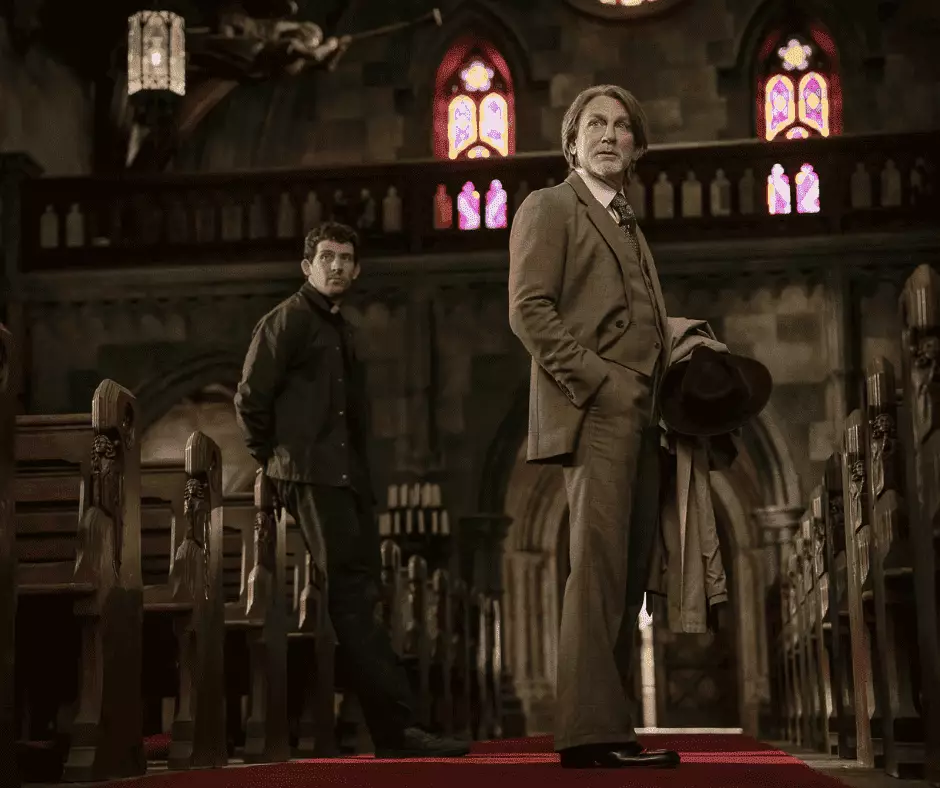
Religion is not decoration in Wake Up Dead Man. It is part of the plot’s bloodstream.Churches, scripture, rituals, guilt, forgiveness, and power shape how characters behave and what they hide. Faith appears as comfort for some, control for others, and confusion for many. The story never tells viewers what to believe. It shows how belief systems influence decisions when the stakes turn personal.
This approach makes the mystery richer. Motives are not rooted in money alone. They come from shame, fear, devotion, and the desire to be seen as righteous. Even viewers with no religious background can recognise these emotional drivers. The film treats faith as human behaviour rather than doctrine.
Benoit Blanc Grows Quieter and Sharper
Daniel Craig’s Benoit Blanc feels different here. He still delivers wit, but it is restrained. His presence feels observant rather than performative. He listens more than he speaks. When he does speak, the words land more heavily.This version of Blanc feels shaped by experience. He understands people deeply and seems less interested in proving it. That subtle evolution allows the ensemble to shine without losing the anchor that made the franchise work in the first place.
A Cast That Plays With Stillness
One reason Wake Up Dead Man works is restraint across the cast.Performances lean into pauses, glances, and discomfort. The story trusts the audience to read the room. Glenn Close brings authority that feels earned rather than imposed. Josh O’Connor balances gentleness with something unsettling underneath. Kerry Washington moves through the film with emotional precision. The result feels intimate, even when the mystery scales outward.
This kind of acting suits a story concerned with moral tension rather than spectacle.
Style as Storytelling Language
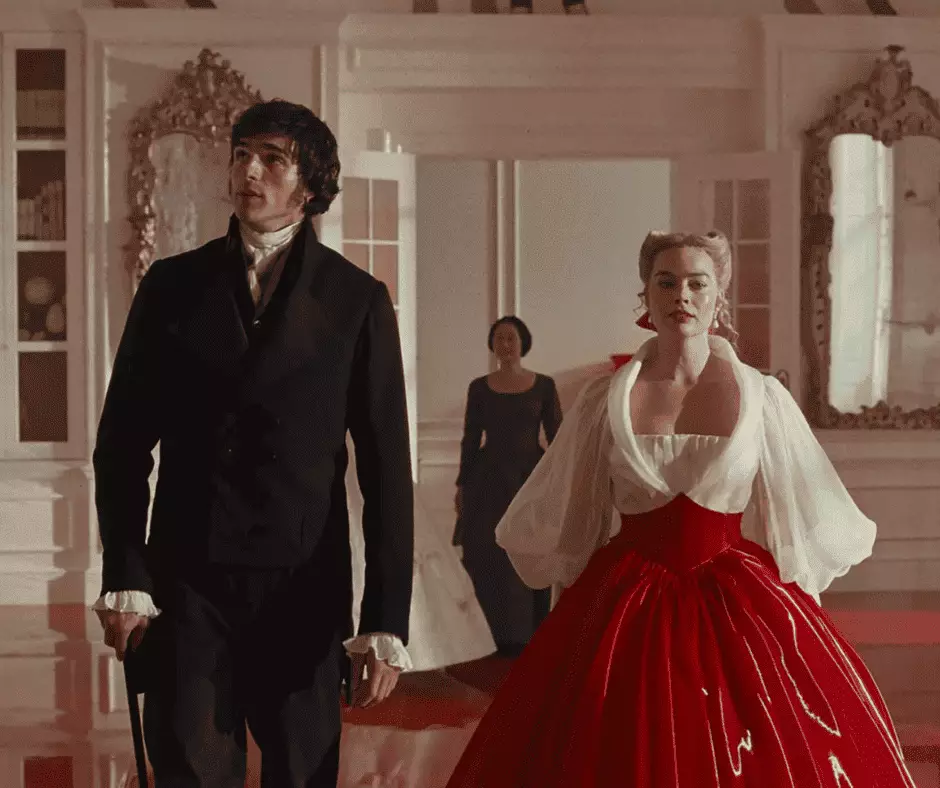
The film's visual language (costume and setting) is deeply expressive. Benoit Blanc’s meticulously tailored suits, for instance, communicate a sense of control, tradition, and discipline. Similarly, the formal interiors and churches underscore themes of hierarchy and hidden truths. The lighting, favouring warm tones and shadows over high contrast, mirrors the film's nuanced emotional landscape.This visual strategy is deliberately subtle; it doesn't impose, but suggests. This quiet confidence elevates the movie beyond mere entertainment, transforming it into a piece of reflective, meticulously crafted storytelling.
Why This Film Resonates Right Now
Wake Up Dead Man lands in a cultural environment marked by distrust, institutional fatigue, and moral ambiguity, where people increasingly question established systems, authority, and overly simplistic narratives.The film effectively captures this societal tension.
It presents truth as multi-layered and justice as complex. Its answers lack easy emotional closure, a raw honesty that resonates with the audience because it feels truer to real life than standard mysteries. The impact is not mere admiration for clever plotting; audiences leave the cinema pondering.
What Creators Can Learn From This Approach
The success of Wake Up Dead Man offers valuable lessons for creatives across all industries.Audiences are drawn to content that respects their intelligence, engaging deeply with work that handles serious themes with maturity and nuance, rather than being overly dramatic. They appreciate meticulous craftsmanship, a clear vision, and emotional authenticity.
These principles apply universally to film, music, digital platforms, and other forms of creative content. When creators treat their work as meaningful labour, not just disposable output, this dedication is recognised and valued by the audience.
Ultimately, a strong narrative is built upon a foundation of people who must be afforded transparency, fairness, and respect for their essential contributions.
Why Creative Splits Exists for Stories Like This
Great creative work involves many hands, voices, and roles. Writers, performers, producers, rights holders, and collaborators all play a part in bringing stories to life.Creative Splits helps creative teams manage complex revenue sharing with clarity and confidence. Our platform supports transparent tracking, automated distributions, and clear reporting so creators can focus on making work that matters.
If you are building stories, platforms, or creative ecosystems that involve shared value, Creative Splits is built to support that reality. Contact us now to learn more!