A New Kind Of Story Emerging From Digital Culture
Modern storytelling is no longer confined to traditional development pipelines where ideas move slowly through studios before reaching audiences. A growing number of narratives now begin online, shaped by communities that build, remix, and expand them in real time. The Backrooms is one of the clearest examples of this shift, in which a simple internet concept evolved into a fully realised cinematic universe through collective imagination and creator-driven expansion.What makes this particularly significant is how naturally it transitioned into mainstream film production. Rather than losing its original identity, it retained the unsettling qualities that made it compelling online. This signals a broader change in how stories are formed, validated, and scaled in the digital era.
How The Backrooms Evolved Into A Shared Narrative System
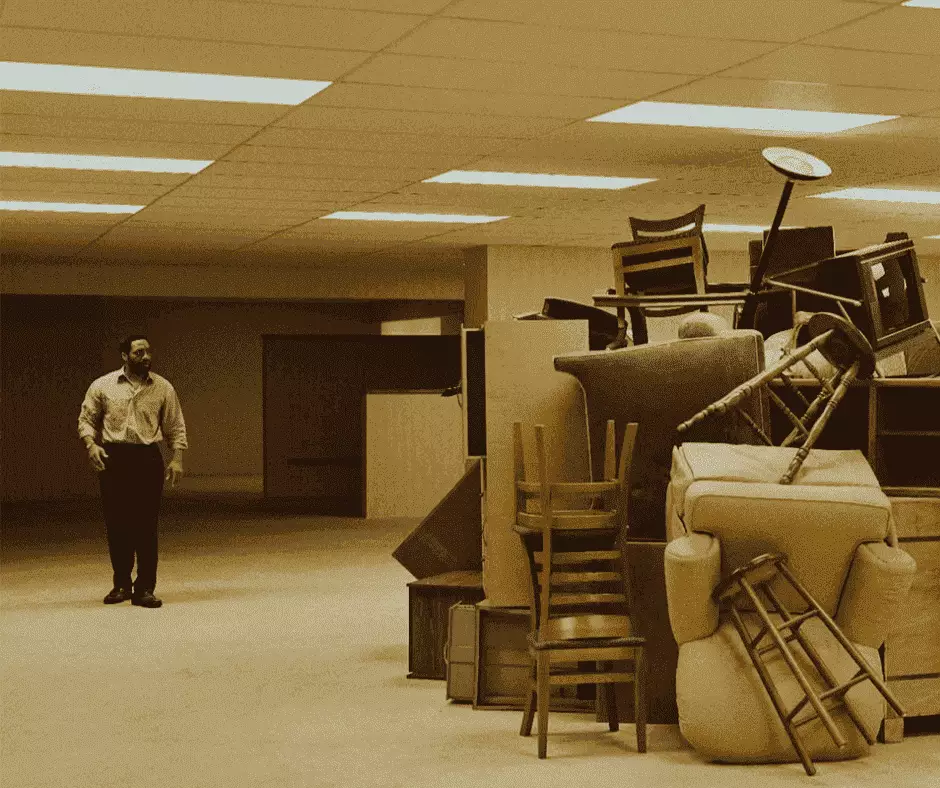
The Backrooms originated as a piece of internet folklore built around a single unsettling idea of endless, empty office-like spaces. Instead of being defined by a single creator, it grew through contributions, with each iteration adding new interpretations, visuals, and narrative fragments. This open structure allowed it to develop like a living archive of collective creativity.As the concept gained traction, creators began translating it into visual formats using game engines and short films. Kane Parsons became a central figure in this evolution, using immersive digital tools to expand the universe in a way that felt both authentic and visually distinct. The eventual move into studio-backed film production marked a rare moment where internet-born storytelling influenced mainstream cinema at scale.
Why Liminal Spaces Trigger Psychological Discomfort
Liminal spaces refer to environments that exist between clear functions or destinations, such as empty corridors, unused commercial spaces, or transitional architecture. These places feel familiar yet incomplete, which creates a subtle cognitive tension when they are presented without human activity or context.The Backrooms amplifies this effect by removing narrative grounding entirely. There is no explanation for the space, no clear objective, and no visible presence of life. The mind attempts to impose structure on this absence, which results in unease. This response is closely tied to how humans process patterns and expect meaning in their surroundings.
A Shift In Who Gets To Define Cinematic Language
The rise of creators like Kane Parsons highlights a shift in how filmmaking skills are developed and recognised. Many emerging filmmakers now begin with digital world-building tools rather than traditional production environments. Game engines, online editing platforms, and community-driven publishing spaces have become training grounds for visual storytelling.This approach produces a different creative rhythm. Ideas are tested in public early, refined through feedback, and shaped by audience interaction before reaching formal production. As a result, films influenced by this process often feel more immediate and visually experimental, reflecting the tools and platforms used to create them.
Audience Participation As Part Of The Storytelling Structure
One of the defining features of internet-born narratives is the role of audience participation. Unlike traditional media consumption where stories are completed by the creator, digital narratives often expand through user interpretation and contribution. The Backrooms demonstrates this clearly, with fans building theories, recreations, and extensions that deepen the original concept.This type of engagement strengthens the longevity of the idea. Each new interpretation adds dimension without requiring central control. The story becomes less about a fixed plot and more about a shared creative framework that evolves over time.
What This Means For Modern Digital Storytelling And Brand Experience
The Backrooms phenomenon reflects a broader expectation shift in digital audiences. People are increasingly drawn to experiences that feel open, interactive, and adaptable across different platforms. Storytelling now operates across multiple layers, including visual design, interactivity, and community engagement.For creative teams and brands, this means thinking beyond static content. Digital experiences benefit from structures that allow interpretation and expansion, whether through web design, interactive campaigns, or modular content systems. The strongest ideas are those that can adapt as audiences engage with them in unexpected ways.
Building Immersive Digital Experiences With Creative Splits
At Creative Splits, we focus on shaping digital experiences that are designed to evolve with their audiences. Our work spans web development, interactive systems, and content strategy that supports storytelling across digital environments. The goal is to help brands create experiences that feel intentional, engaging, and capable of growing through user interaction.The Backrooms shows how powerful ideas often begin in unexpected places and grow through shared participation. Creative Splits helps translate that same principle into digital strategy, building platforms where brands can create meaningful, lasting connections through thoughtful design and storytelling. Contact us now to book a free demo!